
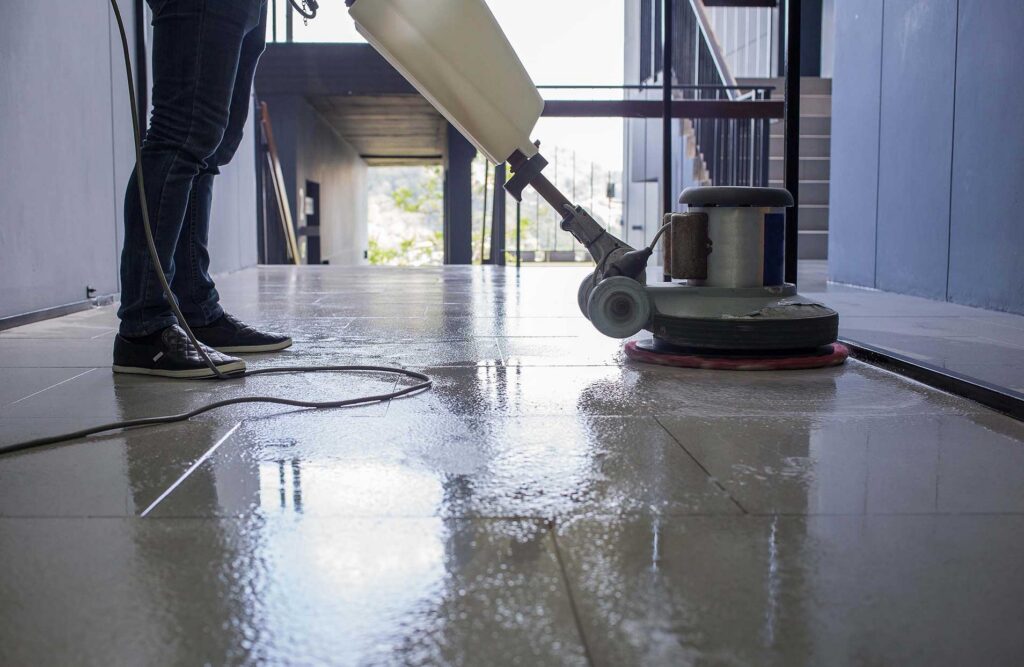
Water Extraction and Structural Drying in San Diego
When a San Diego home experiences water damage, removing visible standing water is an important first step, but it is not the entire restoration process. Water can soak into flooring, drywall, cabinets, insulation, subfloors, and other building materials where it may remain long after the surface appears dry.
This is why professional water damage restoration typically involves two closely related but different processes: water extraction and structural drying.
Water extraction focuses on physically removing standing and excess water. Structural drying focuses on removing the moisture that remains inside building materials and controlling the indoor environment until affected areas reach appropriate moisture levels.
Understanding the difference can help San Diego homeowners recognize why professional restoration may require more than simply pumping out water or drying a wet floor.
The U.S. Environmental Protection Agency recommends drying wet or damp materials as quickly as possible, ideally within 24 to 48 hours when feasible, to help reduce the potential for mold growth.
What Is Water Extraction?
Water extraction is the process of removing excess water from a property after a leak, flood, burst pipe, appliance failure, or other water event.
When water is standing on a floor or has saturated carpeting, professional restoration technicians may use commercial extraction equipment to remove as much water as possible.
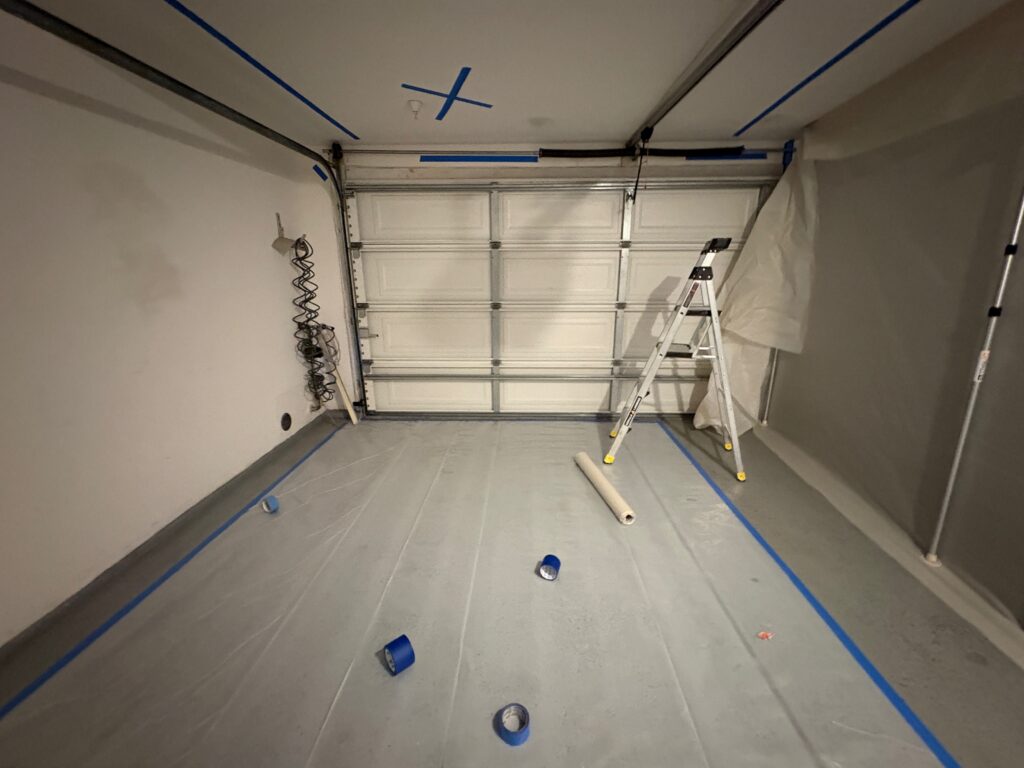
Depending on the situation, extraction can involve:
- Portable or truck-mounted extraction equipment
- Specialized carpet extraction tools
- Wet vacuums designed for water removal
- Extraction systems for hard surfaces
- Pumps for larger amounts of standing water
The objective is to remove water quickly before it can continue spreading into surrounding materials.
Why Fast Extraction Matters
Water can migrate beyond the area where the leak originally occurred. For example, water from a broken supply line may spread beneath flooring or travel into adjacent rooms.
The faster excess water is removed, the sooner the affected structure can move into the drying phase.
However, extraction alone does not necessarily mean a structure is dry.
What Is Structural Drying?
Structural drying addresses the moisture that remains after standing water has been removed.
Materials such as drywall, wood, subflooring, cabinets, and insulation can absorb water. Moisture may also remain underneath flooring or inside wall cavities where it cannot be seen.
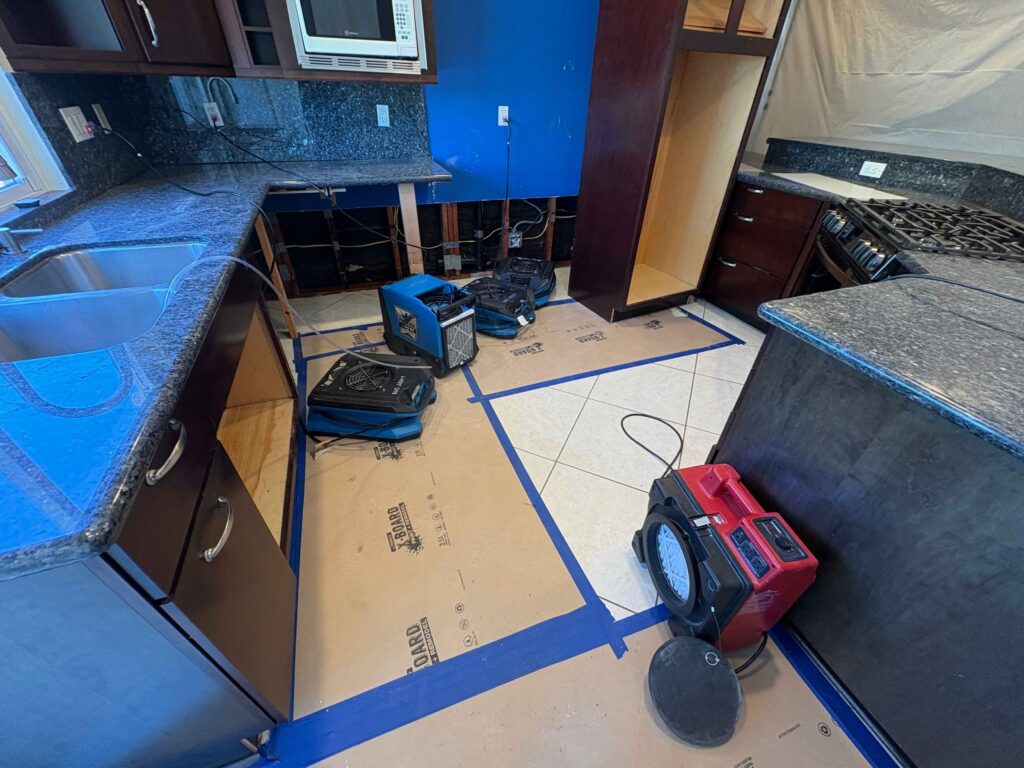
Professional structural drying may involve:
- High-volume air movers
- Commercial dehumidifiers
- Moisture meters
- Thermo-hygrometers
- Specialized drying equipment
- Ongoing moisture monitoring
Air movement helps encourage evaporation, while dehumidification removes moisture from the surrounding air. Technicians can monitor affected materials throughout the process to determine whether moisture levels are continuing to decrease.
The EPA recommends controlling moisture and humidity as part of preventing mold growth and addressing water damage.
Water Extraction vs. Structural Drying
The easiest way to understand the difference is to think of extraction as removing the water you can physically collect and structural drying as removing the moisture that has been absorbed into the structure.
Water extraction typically happens first and focuses on standing or excess water. Structural drying follows and may continue for as long as affected materials require additional drying.
Both processes are important. Depending on the severity and location of the water damage, skipping structural drying can leave moisture trapped inside the property.
Why a Home Can Look Dry but Still Be Wet
One of the most common misconceptions about water damage is that a room is dry once there is no visible standing water.
That is not necessarily the case.
Water can penetrate porous materials and become trapped underneath or inside them. A hardwood floor, for example, may appear dry on top while moisture remains underneath. Drywall can also absorb water beyond the area that is visibly stained.
This is why professional restoration technicians use moisture-detection tools rather than relying only on visual inspection.
A proper drying assessment can identify moisture in locations that might otherwise be overlooked.
The Role of Air Movers and Dehumidifiers
Professional drying equipment is designed to help remove moisture from affected materials and the indoor environment.
Air movers increase air circulation across wet surfaces, helping moisture evaporate.
Dehumidifiers remove moisture from the air, helping maintain conditions that support continued drying.
The equipment needed depends on the size and severity of the water event, the materials involved, environmental conditions, and the areas affected.
Simply placing a household fan in front of a wet floor may not provide the same level of controlled drying as a professionally designed drying setup.
Why Moisture Monitoring Matters
Structural drying should not be based solely on a predetermined number of hours. The amount of time required can vary significantly depending on the property and the extent of the damage.
Restoration professionals can use moisture meters to monitor affected materials and compare readings throughout the drying process.
Monitoring helps determine whether materials are continuing to dry and whether additional drying equipment or adjustments are needed.
This is particularly valuable when water has affected:
- Wall cavities
- Subfloors
- Hardwood flooring
- Cabinets
- Framing
- Insulation
- Ceilings
- Areas beneath finished flooring
When Water Extraction and Drying May Be Needed
Professional water extraction and structural drying may be appropriate after many different types of water emergencies, including:
- Burst pipes
- Major plumbing leaks
- Water heater failures
- Appliance leaks
- Toilet or sewage backups
- Flooding
- Roof leaks
- Overflowing fixtures
- Water intrusion from another part of the property
The category and source of the water are important. Water that may contain sewage or other contaminants should be handled differently from water originating from a clean supply line.
The EPA recommends taking appropriate precautions when cleaning up contaminated water and considering professional assistance for extensive or contaminated water damage.
For situations involving sewage or contaminated water, sewage cleanup services may be necessary depending on the source and extent of the damage.
Why San Diego Homeowners Shouldn’t Stop After Extraction
For San Diego homeowners, the temptation after a water emergency can be to focus on getting the visible water out as quickly as possible and moving on.
Extraction is absolutely important, but it should not necessarily be considered the finish line.
If moisture remains inside building materials, the property may continue experiencing damage even though the floor looks dry. Persistent moisture can contribute to swelling, deterioration, odors, and conditions favorable to mold growth.
The EPA identifies moisture control as a critical part of preventing mold and recommends addressing water problems promptly.
How All American Dry Out Handles Water Extraction and Drying
All American Dry Out provides professional water damage restoration services for San Diego homeowners and property owners dealing with unexpected water emergencies.
The restoration process can include water extraction, moisture detection, structural drying, dehumidification, and ongoing monitoring based on the specific needs of the property.
The goal is to remove excess water and address the moisture that may remain hidden inside the structure. By evaluating affected materials and monitoring the drying process, the team can help San Diego property owners take the appropriate steps toward restoring their property.
Whether you’ve experienced a burst pipe, major leak, appliance failure, or another water emergency, professional restoration can help ensure the problem is addressed beyond what is visible on the surface.
Don’t Stop at Visible Water Removal
Water extraction and structural drying work together, but they serve different purposes. Extraction removes excess water, while structural drying addresses the moisture that remains behind.
If your San Diego property has experienced significant water damage, getting both stages properly evaluated can help reduce the risk of ongoing moisture problems and secondary damage.
If you need water extraction in San Diego, contact All American Dry Out to get the restoration process started.
